 By
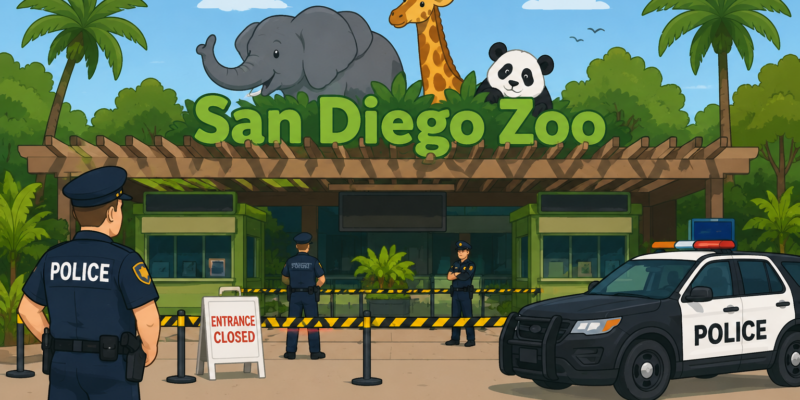
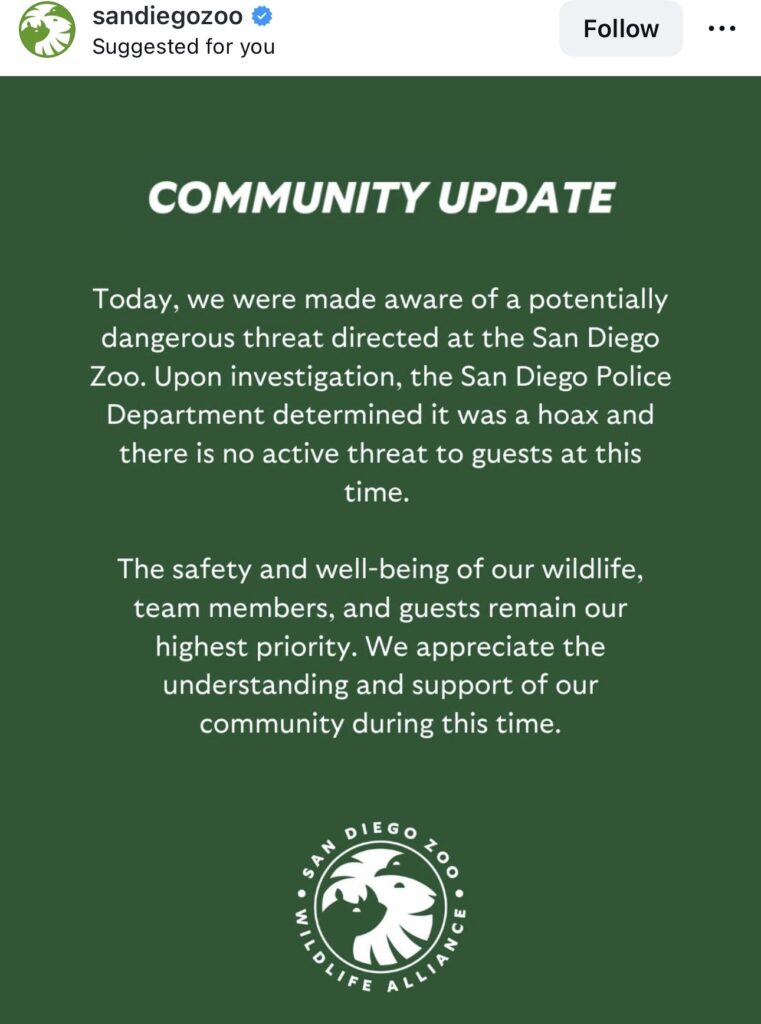
By The recent threat reported at the San Diego Zoo may end without injuries, arrests, or real explosives found. Yet the deeper concern remains: why are these incidents becoming increasingly common on both sides of the border?
In Tijuana, schools have repeatedly faced anonymous threats that force evacuations, suspend classes, and leave parents terrified while children wait outside campuses surrounded by police patrols. In San Diego, public spaces that once symbolized family life and tourism are now suddenly transformed into emergency scenes within minutes.
The question is no longer whether these threats are “real” or “fake.” The real issue is the psychological impact they leave behind.
A generation is growing up normalizing panic alerts, emergency evacuations, and viral videos of fear circulating on social media before authorities even confirm facts. Every new threat — whether made as a joke, a social media challenge, or an intentional act of intimidation — chips away at the public sense of safety.
And society must ask an uncomfortable question:
Who is behind these acts?
Are they adults exploiting fear for attention or disruption? Are they young people influenced by online culture where shock value often becomes entertainment? Or are social platforms themselves creating an environment where anonymous threats spread faster than responsibility?
The digital age has blurred the line between prank and crime. A message sent in seconds can mobilize entire police departments, close schools, terrify families, and create international headlines.
What is especially alarming is how quickly these cases become normalized. One threat trends online for a few hours, public outrage fades, and then another incident appears days later. The cycle repeats with dangerous ease.
Authorities continue investigating each case individually, but the broader social conversation remains incomplete. Prevention cannot rely only on police response. It must also involve schools, parents, mental health specialists, and the tech platforms where many of these behaviors are amplified.
Because beyond the emergency tape and flashing lights, there is a deeper reality emerging:
societies on both sides of the border are learning to live with fear as part of everyday life.
And perhaps that should worry us more than the threats themselves.